What Tiny Hands Feel will be
Tiny Hands Feel is a free calm-down space for children aged 2 to 7, a little like a meditation app made for toddlers and preschoolers. It's for the moments when a child needs to slow down: after a meltdown, after a busy day, before bed, or when a big feeling is too much.
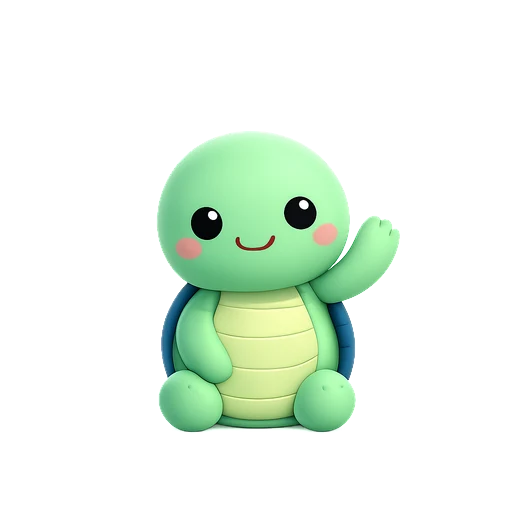
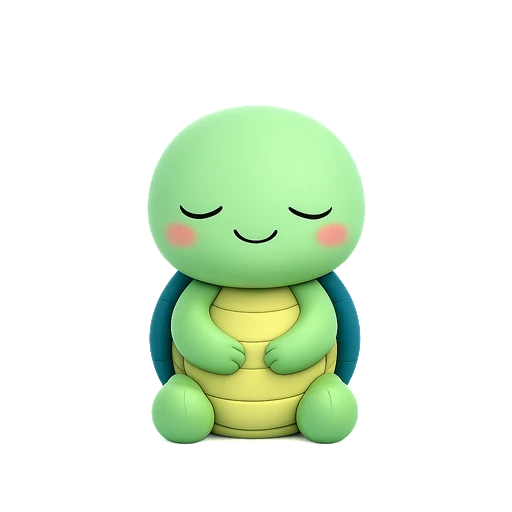
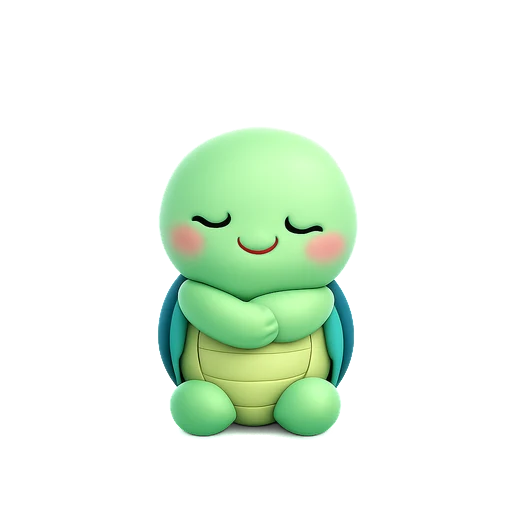
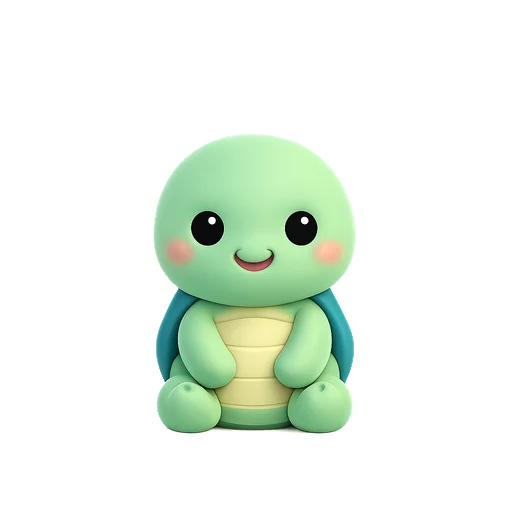
Young children can't read instructions, so Lulu the turtle guides everything with her voice. When a feeling gets too big, a turtle tucks into her shell, takes slow breaths, and comes out when she's ready: a calm-down little children can copy. Your child watches, listens and copies. When we launch, Feel will include:
- Calm-downs: three-minute guided sessions of slow breathing and gentle movement.
- A bedtime wind-down that ends with the screen going dark, so the last thing before sleep isn't a bright screen.
- A game about feelings: what does sad look like? Where do you feel angry in your body? What helps?
Like everything at Tiny Hands, it will be free, with no ads and no paywall. Nothing your child says or feels is ever stored or sent anywhere.
Quiet time and downtime
Little children spend their days taking in new things: sounds, people, rules, games. Downtime is when their brain and body get to catch up. A few minutes of quiet each day, without anything to win or finish, helps many children settle, sleep better and cope with the next busy moment.
Quiet time doesn't have to be silent or still. Slow breathing, lying down and listening, cuddling a toy, or looking at a book all count. What matters is that nothing is asking for their attention.
How to help a child calm down
In the middle of a meltdown, a child can't listen or reason. That part of the brain comes back when the body settles. What helps most:
- Stay close and stay calm. Get down to their level, keep your voice low and slow. Your calm is what they borrow.
- Say less. A few words are enough: "I'm here. You're safe."
- Breathe slowly yourself. Children copy breathing more than words. When the storm starts to pass, invite them to breathe with you.
- Talk afterwards. Once they're calm, name what happened and what might help next time.
Practise calm-down breathing when your child is already calm, as a game. Then it's ready when a big feeling comes.
Helping children understand and manage feelings
Naming a feeling is a first step to handling it. "You're angry because the tower fell" turns a storm into something a child can start to understand. Preschool programmes that teach feeling words and calm-down steps help children understand and handle their emotions. Some simple ways to build that:
- Name feelings every day, theirs and yours: happy, sad, angry, worried, scared, excited, tired.
- Notice where feelings live in the body: a hot face, a tight tummy, a heavy chest.
- All feelings are allowed; not all actions are. "It's okay to be angry. It's not okay to hit. Let's stomp instead."
- Use stories and play. Toys that feel sad or scared make big feelings easier to talk about.
Questions parents ask
From what age can children do calm-down breathing?
Many 2- and 3-year-olds can copy slow breathing when it's a game, like blowing out a candle or blowing bubbles. Around 4 or 5, many can start to use it on their own when they're upset, especially if they've practised while calm.
Is a screen a good way to calm a child down?
Only as a short guide. A calm-down on Tiny Hands Feel lasts a few minutes and ends by itself; the goal is that your child learns to do it without a screen. For bedtime, the wind-down ends with the screen going dark.
What is the difference between quiet time and a nap?
A nap is sleep. Quiet time is rest while awake: a calm, low-stimulation break that helps children who have dropped their nap, and anyone who has had a big day.
Is Tiny Hands Feel free?
Yes. Like all of Tiny Hands, it will be free, with no ads and no paywall. Nothing about how your child feels is stored or sent anywhere. Tiny Hands is made by a dad, Mauro, and kept free by voluntary donations from parents: make a donation · read our story.
When will Tiny Hands Feel be ready?
We're building it now. Leave your email below and we'll send one message when it's ready.